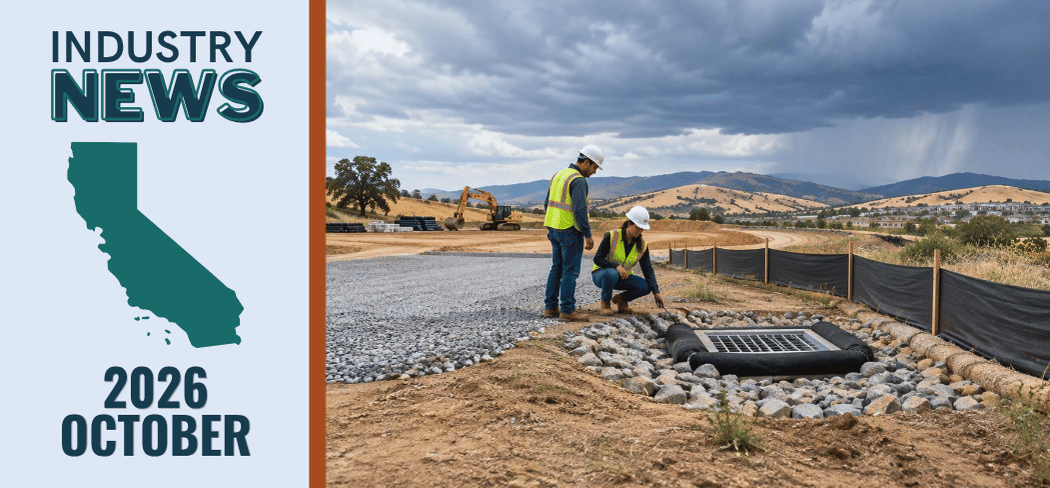
Autumn has arrived in California, bringing the possibility of wetter weather. Forecasters predict a strong El Niño in the months ahead, but whatever the season brings, construction sites need to be storm-ready. That means preventing runoff at the source, maintaining erosion and sediment controls, and ensuring crews are trained to respond as site conditions change.
Here’s what you need to know in October:
🌧️ California enters a new water year with strong supplies and storm risks
Join stormwater professionals, regulators, public agencies, and industry leaders in Sacramento, October 26–28, for training, technical discussions, and timely updates on Construction General Permit compliance.
🏞️ Santa Ana region adopts its first regional MS4 permit
The new permit combines three county permits into one, with CICWQ and the Building Industry Association of Southern California contributing to its development.
🧪 State begins preparing for the next Construction General Permit renewal
Renewal proceedings are expected to begin in 2027, and a new stakeholder workgroup will evaluate how total suspended solids could serve as a proxy for certain pollutants in stormwater sampling.
👇 Explore each update to understand what’s changing and what it could mean for your work.
OCTOBER NEWSWORTHY ITEMS
1️⃣ California Prepares for a New Water Year with Above-Average Reservoir Storage Supplies and a Predicted Strong El Niño
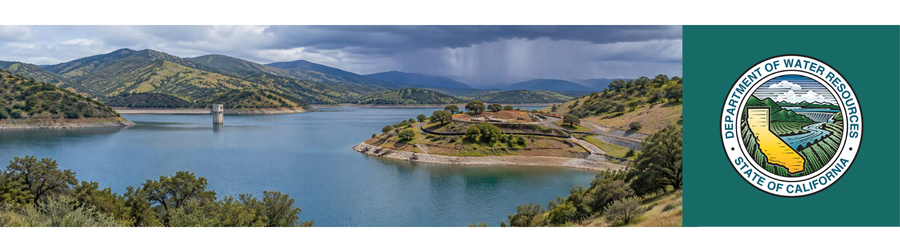
The California Department of Water Resources released an informative October 2026 update, providing summary data on reservoir storage levels (slightly above normal!) and alerting Californians to the risk of potentially severe weather during the upcoming water year due to El Niño conditions in the Pacific Ocean. Regardless of whether predictions are correct, the construction industry must be ready for storm conditions on job sites at all times, per permit conditions.
2️⃣ Santa Ana Regional Water Quality Control Board Adopts First-Ever Regional Municipal Separate Storm Sewer System Permit
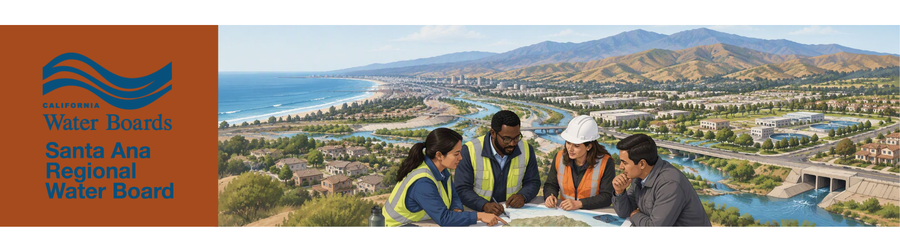
On September 11, the Santa Ana Regional Water Quality Control Board adopted a new, regional Municipal Separate Storm Sewer System (MS4) Permit for portions of northern Orange and western Riverside and San Bernardino Counties in southern California. The first of its kind in the region, it combined three previously separate county permits into one regional permit covering the Santa Ana River Watershed, which drains into the Pacific Ocean. CICWQ and the Building Industry Association of Southern California helped shape the final, adopted permit by working collaboratively with regional board members and staff, public works agencies, and other stakeholders.
3️⃣ CICWQ Expects State Water Resources Control Board to Move Forward with Renewal of Construction General Permit for Stormwater in 2027
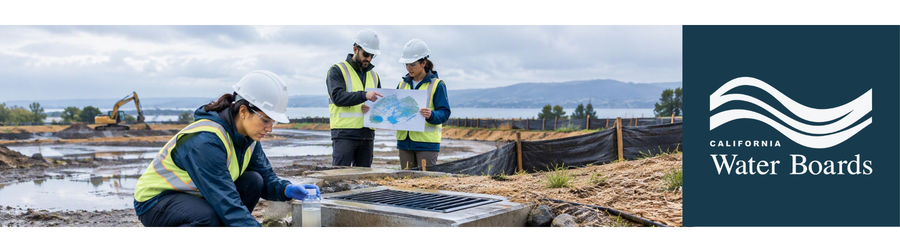
According to comments made by State Water Resources Control Board staff members, the State expects to begin renewal proceedings sometime in 2027 for the Construction General Permit for stormwater, abbreviated CGP. Under Federal Clean Water Act regulations, the permit must be updated every five years. As our faithful readers know, this CGP is one of our industry’s top regulatory obligations and a major focus of expertise within CICWQ leadership and its membership.
As part of the 2027 CGP renewal effort, the State just released a call for participation in a stakeholder process known as the 2022 CGP TSS Proxy Evaluation Workgroup. The workgroup evaluates TSS as a proxy for several watershed-specific TMDL pollutants when non-visible job site runoff sampling requirements are triggered. Several urban areas in California have TMDL pollutant designations requiring compliance with TMDL numeric limits. Pollutants include common soil and airborne metals such as copper and zinc, and legacy organic compounds: pesticides, PCBs, and DDT. CICWQ has requested to join the workgroup and will provide updates as the process moves forward.